Related Posts
St Albans Parkrun Pain? When to See a Physio
Recurring pain can turn your Saturday 5K at Verulamium Park into a frustrating experience. Learn why running pain may keep coming back, when to adjust your training and how physiotherapy can help you return with greater confidence.
Gym Injuries in St Albans: When Should You See a Physio?
Not every ache after the gym means you need to stop training. Learn how to recognise when pain may need attention, when modifying your workouts could help and how physiotherapy can support your return to strength training.
Tennis, Padel and Racket Sports in Harpenden
Tennis and padel demand quick changes of direction, rotation and repeated overhead movements. Learn how to manage training load, recognise recurring problems and use physiotherapy to help keep small injuries from interfering with your time on court.
Everything you need to know about Heel Pain!
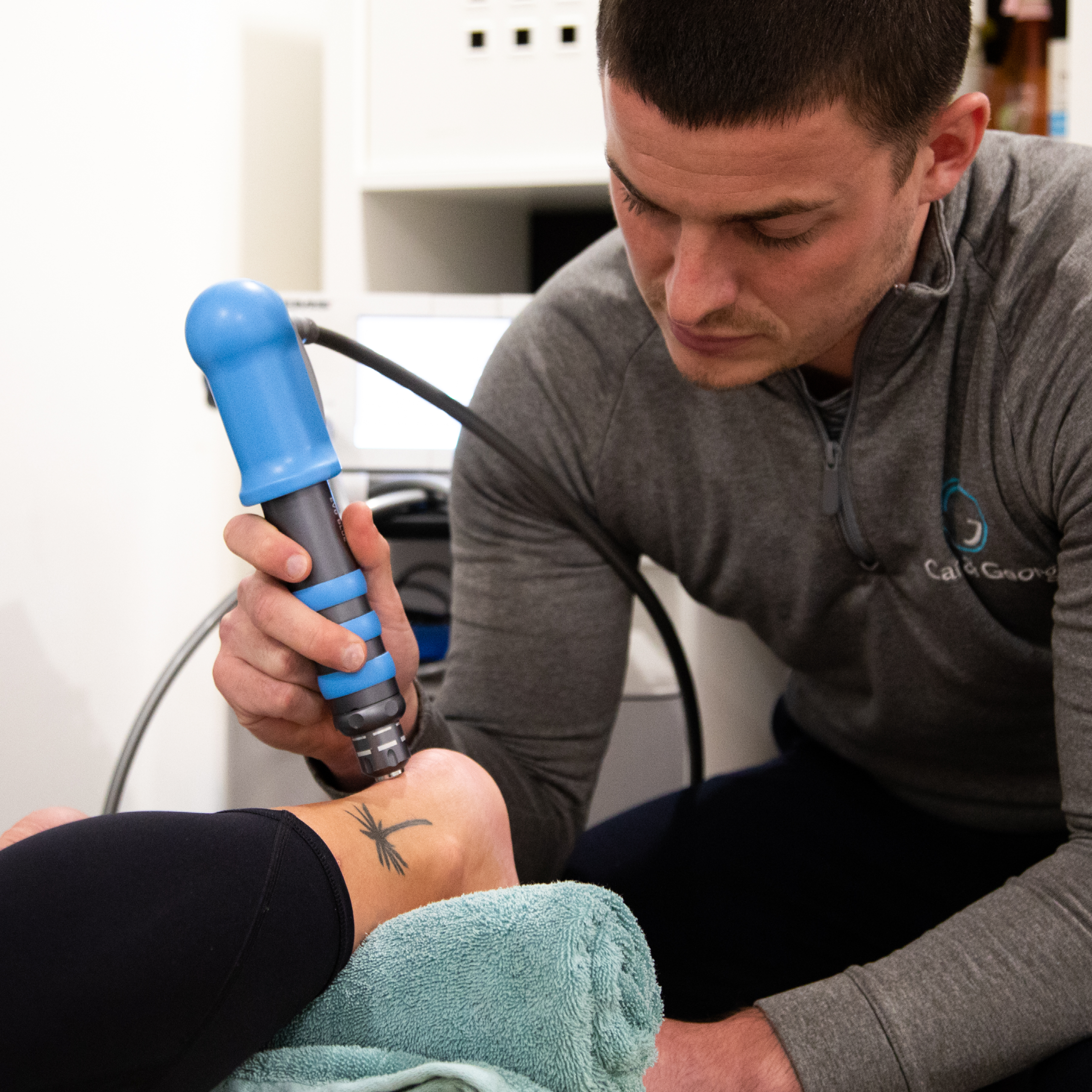
Plantar fasciitis is literally translated as inflammation of the plantar fascia and is the most common cause of heel pain with 11-15% of the population suffering each year. The plantar fascia is the flat ligament on the sole of the foot, connecting the heel bone to the toes. If this ligament is strained it can become weak, irritated and inflamed. This causes pain at the heel during walking or simply standing.
What are the main causes?
High arches or flat feet
Walking, standing or running for long periods.
Being overweight
Poor fitting shoes
Tight Achilles tendon or calf muscles
Excessive pronation (feet rolling inwards) when walking
How can Plantar Fasciitis be treated?
A quick but effective way of reducing the pain is modifying the activity you are engaging in. The level of relative rest to activity level is often overlooked, however, ensuring the correct rest time is essential for reducing pain at the heel. A short-term solution to plantar fasciitis is to ice the sole of the foot following gentle stretching of the calf muscles.
Shockwave therapy:
This non-invasive form of treatment sends high energy acoustic waves into the injured tissue stimulating blood flow, accelerating the healing process. Several studies have shown that this method is effective in treating long-term chronic heel pain, with one study showing satisfactory results in reducing pain in 91% of patients with only a 6% recurrence rate for plantar fasciitis.
Road to Recovery:
The average length of time to recover from plantar fasciitis, resting alone, is found to be roughly 6 months to a year. The length of recovery is significantly reduced with shockwave therapy. A session every week for 3-5 weeks is the recommended amount to fully treat the underlying cause. A study in 2010 found that just 2 treatments were effective in treating chronic plantar fasciitis.