Related Posts
Common Cycling Injuries and How Physio Helps
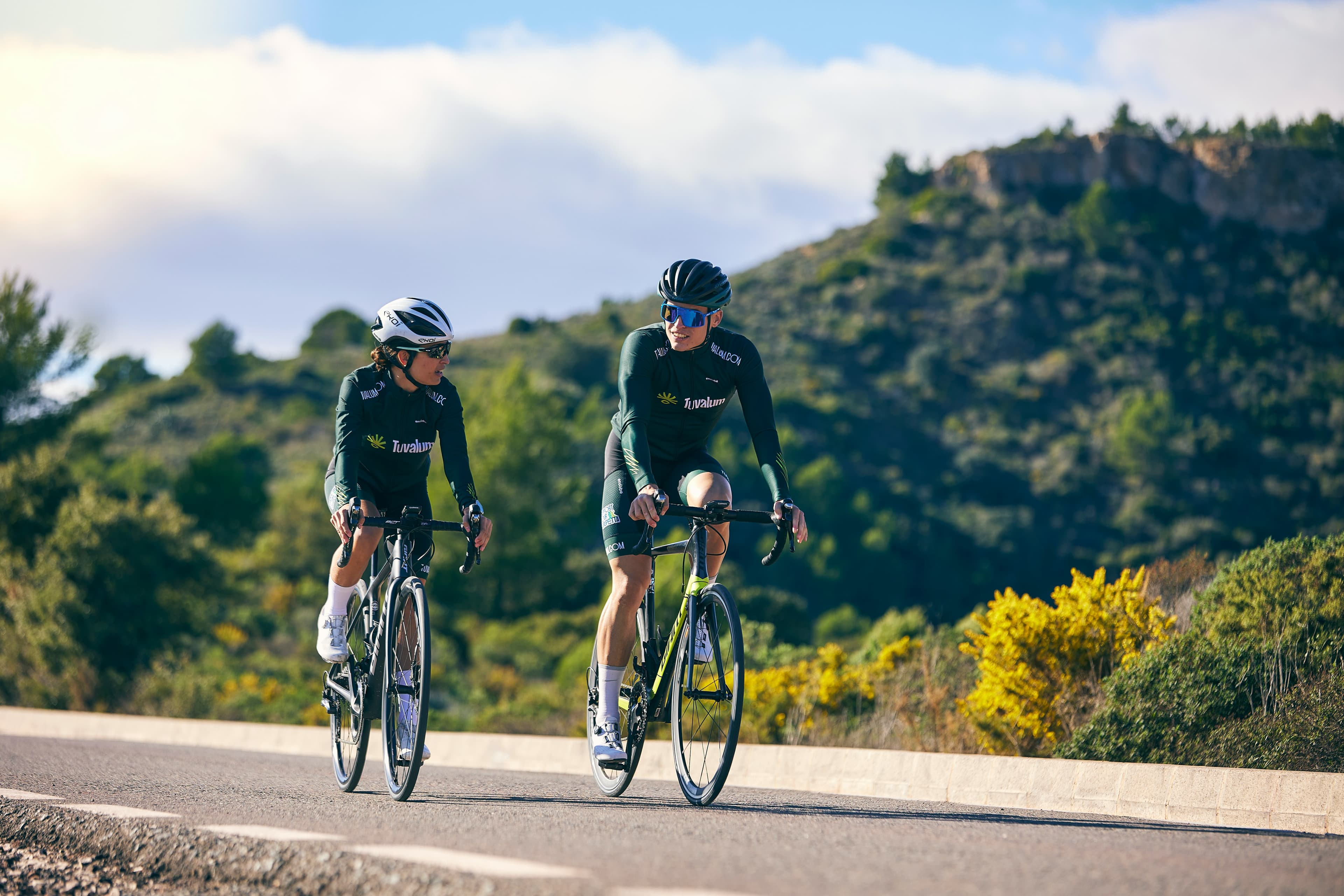
Cycling is brilliant for fitness. It’s low impact, accessible and for many people it becomes far more than exercise; it’s how they commute, socialise and even switch off.
But despite the perception that cycling is (apparently) easy on the body, we see a huge number of cycling-related injuries in clinic every year. Usually not because cycling itself is the problem, but because the body is being asked to tolerate repetitive load without the right support around it.
The interesting thing is that most cyclists don’t come in after one big injury. More often, it’s the gradual build-up of something that started as a niggle:
a knee that aches after longer rides
lower back stiffness that lingers the next day
numb hands on the handlebars
hips tightening up halfway through a ride
Because cyclists are generally quite good at pushing through discomfort, they often wait until it starts affecting performance, or stopping them riding altogether, before seeking help.
Here are some of the most common issues we see and what’s usually driving them.
Knee Pain
Knee pain is probably the most common cycling complaint we treat. Usually it presents as pain around the front of the knee, discomfort climbing stairs after riding or irritation during longer climbs or higher-intensity sessions.
What surprises many people is that the knee itself often isn’t the real problem.
In clinic, we regularly find the issue is linked, but not limited to, poor hip control, reduced glute strength, limited ankle mobility, sudden increases in training volume, fatigue and recovery issues or bike set-up contributing to overload.
Cycling is repetitive by nature. If your body is slightly off mechanically, you repeat that movement thousands of times in a single ride.
That’s why simply resting until symptoms calm down rarely fixes the underlying issue.
Lower Back Pain
Some cyclists assume back pain is just part of riding, but it isn’t. Long rides place the body in sustained flexion, particularly through the hips and spine. Add in desk-based work during the week and many people are spending most of the day in similar positions before they even get on the bike. What we commonly see is a combination of:
stiff hips
limited thoracic mobility
poor trunk endurance
reduced movement variability
Your back then starts compensating. Interestingly, many cyclists focus purely on stretching their hamstrings or lower back, when what they actually need is better control, strength endurance and movement through other areas of the body.
Often, the goal isn’t making someone more flexible, but making them more resilient.
Neck and Shoulder Pain
This is particularly common in road cyclists and commuters spending long periods in fixed positions.
Usually the pain builds gradually through tight shoulders during rides, experiencing headaches afterwards, stiffness looking over the shoulder and discomfort on longer distances. Again, posture alone is rarely the full story.
We often find cyclists lack endurance through the upper back and shoulder stabilisers, meaning the neck muscles end up doing more work than they should.
Improving thoracic mobility, shoulder stability and overall conditioning can make a significant difference, often more than endless stretching ever does.
Hip Pain
Hip pain in cyclists is becoming increasingly common, particularly among people increasing mileage quickly or returning to riding after time away.
Typically people describe pinching at the front of the hip, deep glute discomfort, stiffness after riding, reduced power output and difficulty getting comfortable on the bike.
In many cases, the issue comes back to how well the pelvis and hips are controlling load over time.
Cyclists are often very good at riding through fatigue. The problem is the body eventually stops tolerating it.
Addressing strength deficits, movement quality and training load early usually prevents these issues becoming more persistent.
Numb Hands and Wrist Pain
Numbness through the hands is something many cyclists simply accept.
But persistent tingling, hand numbness or wrist pain is usually a sign that too much load is being transferred through the upper body.
Often this relates to poor trunk support, fatigue, excessive pressure through the handlebars, reduced shoulder control or prolonged riding position.
Small changes in strength, positioning and load distribution can make a surprisingly big difference.
How Carter & George Can Help Cyclists
At Carter & George, we look at the bigger picture:
movement quality
strength
mobility
recovery
training load
lifestyle factors
previous injuries
Whether someone is training for a race, commuting daily or getting back into cycling after time away, the aim is the same: to help them move well enough to keep doing what they enjoy without pain constantly interrupting it.
Because we believe, ultimately, cycling should improve your quality of life, not limit it.
Run by Cycling UK for more than 100 years, Bike Week is the UK’s biggest celebration of cycling and a chance to show how cycling can make everyday life better for people and communities across the country.