Related Posts
The Link Between Persistent Pain & Mental Health
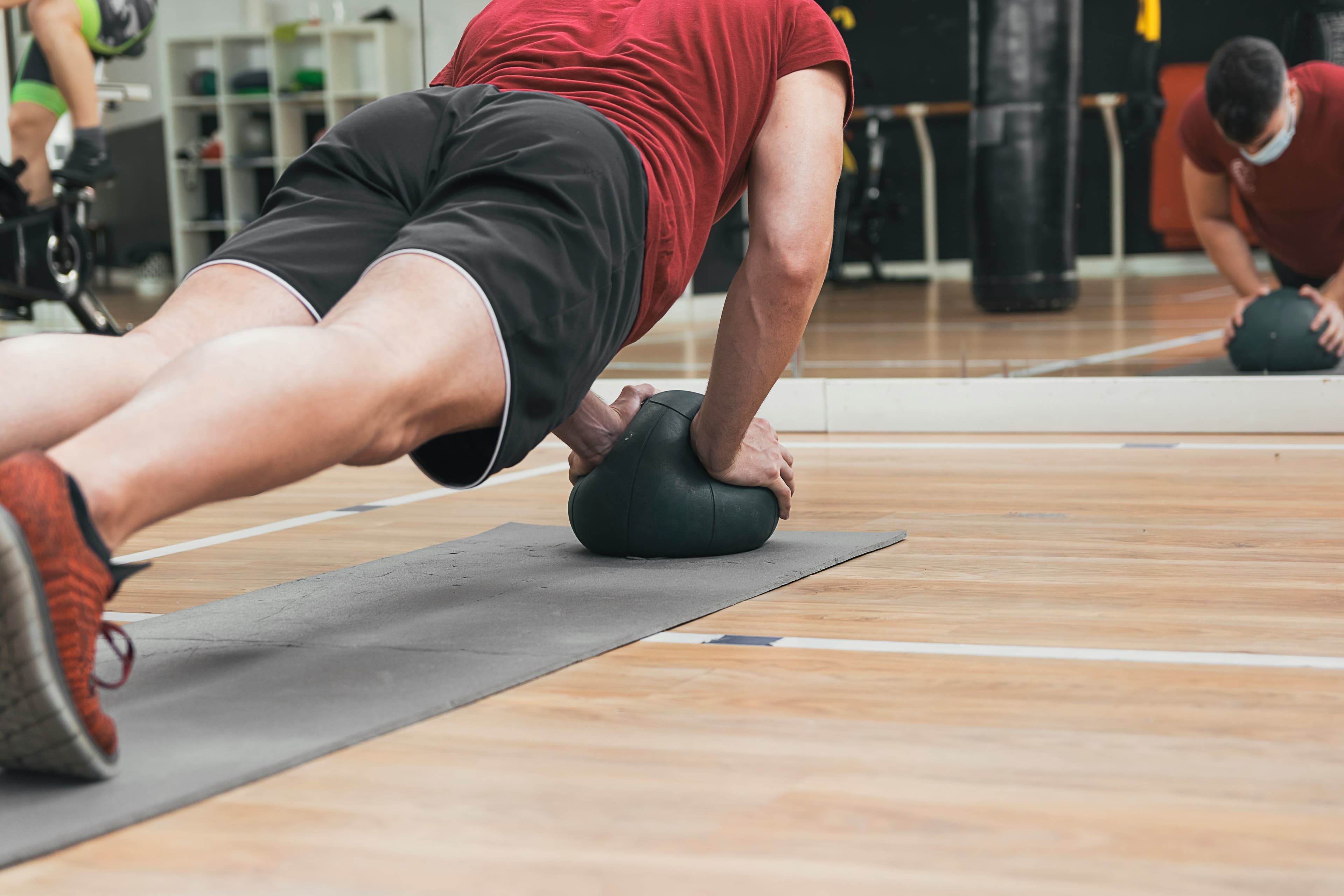
Mental Health Awareness Week (11th-17th May) is focused this year on taking positive action to support good mental health and, we believe, one of the most powerful tools we have is movement.
At Carter & George, we see every day how physical health and mental wellbeing are closely connected. Exercise, rehabilitation and physiotherapy aren’t just about muscles, joints or injuries. They can have a huge impact on stress levels, confidence, sleep, energy and overall mental wellbeing too.
When people are in pain, recovering from injury or feeling unable to move the way they want to, it often affects far more than just the body.
Pain Changes More Than Just Movement
Persistent pain can gradually start affecting daily life in ways people don’t always expect. We regularly see people who have stopped exercising because they’re worried about making things worse, lost confidence in movement after injury, become frustrated by ongoing setbacks, struggled with sleep because of pain and found stress levels increasing as activity levels decrease.
For many people, movement is also their outlet; the thing that helps them manage stress, clear their head or feel like themselves again. When pain removes that, mental wellbeing often takes a hit too.
The Brain and Body Work Together
One of the biggest misconceptions around pain is that it’s just physical. In reality, the nervous system, brain and body are constantly working together.
Stress, poor sleep, fatigue and anxiety can all influence how pain is experienced. Equally, ongoing pain can increase stress levels and affect mood, concentration and confidence.
That doesn’t mean pain is all in your head. The pain is real.
But it does mean recovery often works best when we look at the whole person, not just the painful area itself.
Movement and Mental Wellbeing
Exercise and movement are strongly linked to improved mood, reduced stress, better sleep, increased energy, improved confidence and better long-term physical and mental health. Importantly, movement doesn’t need to mean intense exercise or elite performance.
For some people, it’s returning to the gym after injury. For others, it’s being able to walk comfortably, cycle again or simply move without fear.
At Carter & George, we work with people at every stage of that journey.
How Carter & George Supports Mental Wellbeing
Physiotherapy, rehabilitation and wellbeing can positively impact mental health in ways many people don’t initially expect.
Our services aim to help people move with confidence again, return to activities they enjoy, reduce fear around pain and injury, improve sleep and recovery, rebuild physical resilience and manage stress through movement and exercise
Whether someone is recovering from injury, dealing with persistent pain, returning to sport or simply trying to feel healthier and stronger, improving physical wellbeing often has a huge effect on mental wellbeing too.
Recovery is More Than Pain Relief
Successful rehab isn’t just about reducing symptoms. It’s about helping people get back to living normally again. That’s why at Carter & George, we take a whole-person approach to recovery and performance. Because physical and mental wellbeing are never completely separate.
This Mental Health Awareness Week, the message is simple: small actions matter.
Moving more, rebuilding confidence after injury, improving strength, getting outside, returning to activity or asking for support when pain is affecting daily life can all have a meaningful impact on wellbeing.
Sometimes the first step towards feeling better mentally starts with feeling better physically too.