Related Posts
Why Movement Matters for Brain Health
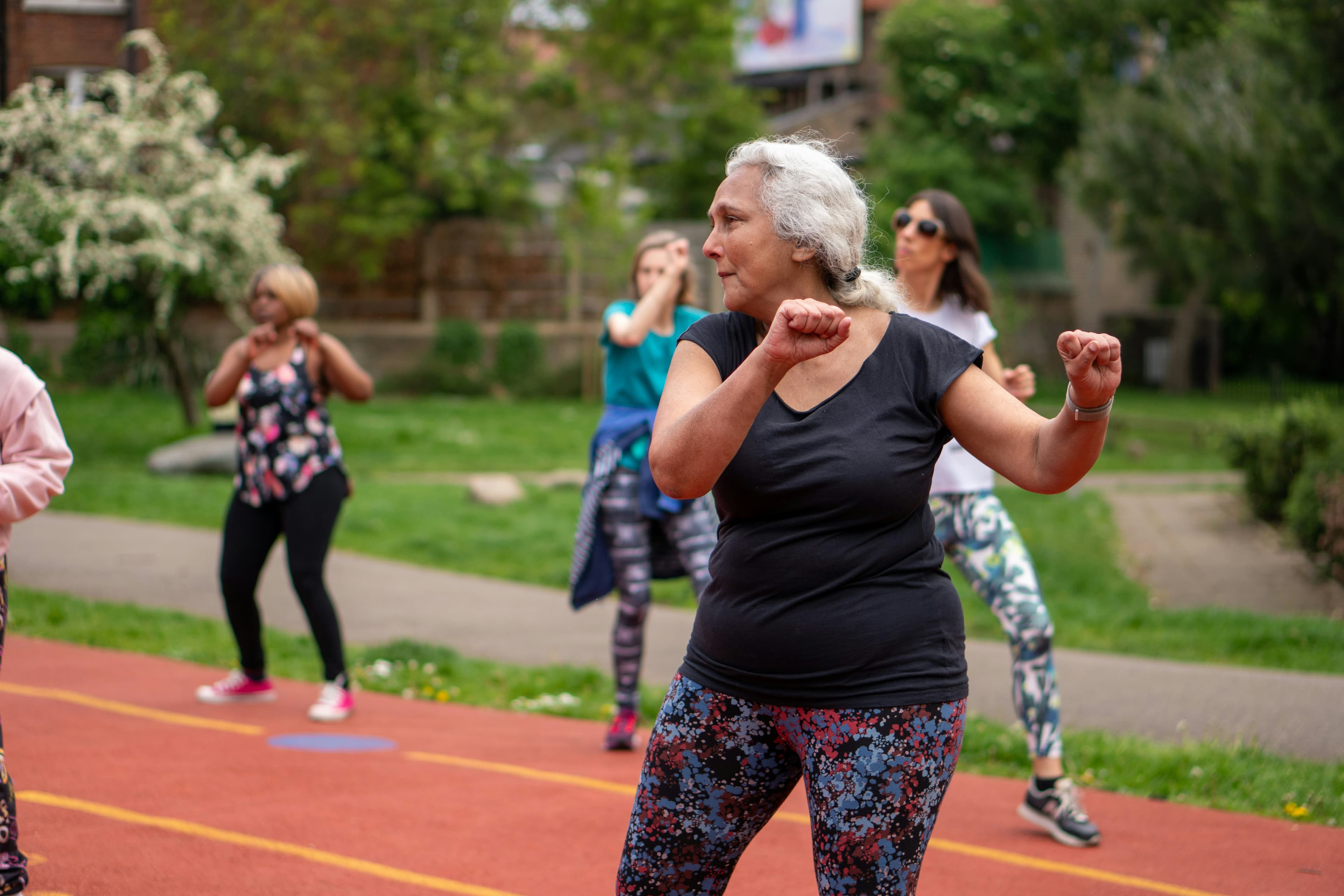
Dementia Action Week is led by Alzheimer’s Society to encourage people, communities and organisations to take action on dementia, improve awareness, and support people affected by the condition.
At Carter & George, we see movement as one of the most important long-term investments people can make in both physical and cognitive health.
Exercise won’t cure dementia. But staying active can play an important role in supporting brain health, maintaining independence, improving confidence and helping people stay connected to the things they enjoy for longer.
And importantly, movement supports quality of life at every stage of ageing.
Movement Supports More Than Muscles and Joints
When people think about exercise, they often think about fitness, weight loss or strength.
But movement also supports balance, coordination, sleep, mood, confidence, cardiovascular health, reaction times and social connection. All of these are closely linked to healthy ageing and brain health.
Research continues to show that regular physical activity can help support cognitive function and overall wellbeing as we age. Activities involving coordination, balance and learning new movements also help keep the brain and nervous system engaged.
Confidence in Movement Matters
One thing we see regularly is people gradually becoming less active after illness, injury, pain or a fall. Usually it happens slowly.
Someone walks shorter distances because they feel less steady.
They stop exercising because confidence drops.
They become worried about falling again or feeling unsafe moving around.
The problem is that reduced movement often accelerates physical decline with strength decreasing, balance worsening, mobility reducing and confidence dropping further. This can eventually affect independence and quality of life. That’s why maintaining confidence in movement is so important.
Falls Affect More Than Physical Health
Falls don’t just cause physical injuries. For many people, they also create fear around movement and loss of confidence.
We often work with people who become noticeably less active after a fall or near miss, even if the physical injury itself was relatively minor.
Physiotherapy, rehabilitation and wellbeing can help improve balance, lower limb strength, walking confidence, coordination and reaction times.
But just as importantly, it helps people rebuild trust in their body again.
Staying Active Helps People Stay Connected
One of the biggest benefits of movement is that it helps people stay engaged with everyday life. That might mean walking with friends, gardening, travelling, attending exercise classes, playing with grandchildren and continuing hobbies and routines.
Movement supports social connection, confidence and independence. All hugely important for mental and cognitive wellbeing.
Dementia Action Week also focuses on reducing stigma and helping people affected by dementia feel better supported within their communities.
Creating opportunities for people to stay active, mobile and socially connected is an important part of that.
It's Never Too Late to Start Moving More
A common misconception is that ageing automatically means becoming weaker, less mobile or less capable. While ageing naturally changes the body, people can still improve strength, balance, mobility, endurance and confidence at any age.
At Carter & George, we work with people who simply want to feel stronger, move better, stay independent and continue doing the things they enjoy for as long as possible. The goal isn't always elite performance, but helping people maintain quality of life. We do this through physiotherapy, strength & conditioning work, rehabilitation after injury, guided exercise programmes and supporting patients with their confidence levels.
Small Actions Matter
Dementia Action Week is ultimately about taking action; whether that’s improving awareness, supporting someone affected by dementia, encouraging earlier conversations around diagnosis or helping people stay active and connected for longer.
Movement is one of the simplest, most effective actions we can take to support long-term health. You don’t need to train intensely or spend hours in the gym. Often, the most important thing is simply continuing to move consistently, confidently and regularly.
Because healthy ageing isn’t just about living longer. It’s about maintaining independence, confidence and quality of life for as long as possible.