Related Posts
Getting Back Into Exercise Safely
September is a popular time to restart running, gym training and sport, but jumping straight back into your old routine can be a shock to the body. Learn how to build up gradually, manage recovery and create an exercise routine you can sustain.
Cricket Injuries in Harpenden: Why the Off-Season Matters
The end of cricket season is an opportunity to address the aches you have been managing all summer. Learn why symptoms can return after time off and how targeted rehabilitation can help you recover, build physical capacity and prepare for next season.
Why Integrated Care Matters at Carter & George
Pain and injury do not always require the same solution. Discover how an integrated approach can connect physiotherapy, sports medicine, diagnostics and rehabilitation to create a clearer care pathway built around your individual needs.
Stay Active, Live Longer: How Exercise Can Boost Your Health After 60
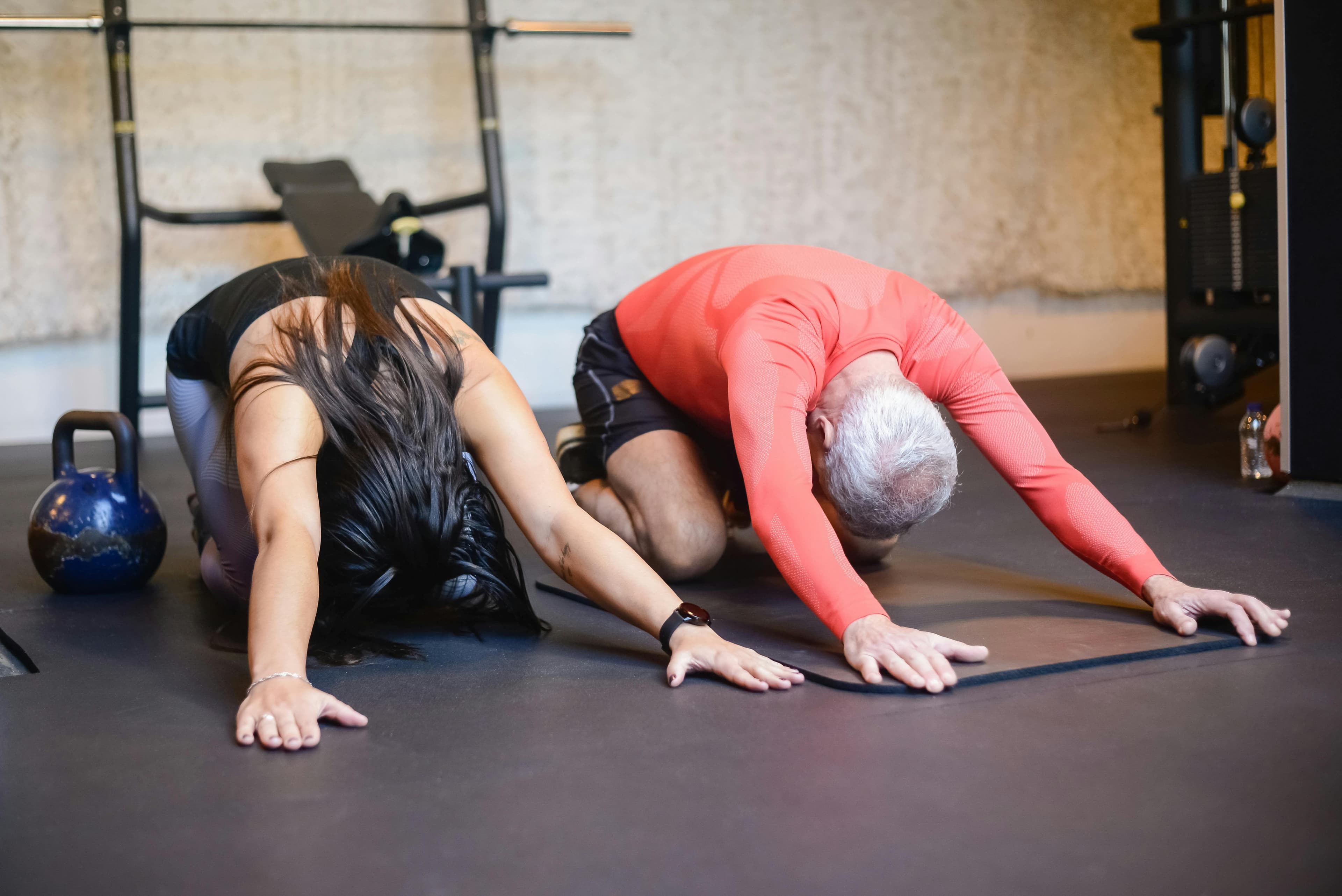
Why Movement Matters After 60
Staying active can help:
Protect your heart and circulation
Slow the signs of aging by keeping muscles, joints, and cells healthy
Reduce your risk of falls by improving balance and coordination
Strengthen bones and maintain mobility to keep you independent
Even small amounts of movement matter. Just 20 minutes of moderate exercise a day can make a significant difference for your health and well-being.
What Kind of Exercise Works?
You don’t need to run marathons or lift heavy weights to see benefits. A mix of activities is ideal:
Cardio: Walking, swimming, or cycling to get your heart pumping
Strength training: Light weights or resistance bands to build muscle and protect bones
Balance and flexibility: Yoga, Tai Chi, or simple balance exercises to reduce fall risk
Everyday movement: Gardening, dancing, or even walking around the house counts!
Consistency is more important than intensity regular, manageable activity is the key.
How a Physiotherapist Can Help
Starting a new exercise routine after 60 can feel daunting, especially if you have aches, injuries, or limited mobility. That’s where a physiotherapist can make a huge difference:
Personalised Exercise Plans: A physio can create a programme tailored to your fitness level, medical history, and goals whether that’s improving balance, strength, or endurance.
Safe Progression: They ensure exercises are done correctly to prevent injury and gradually increase intensity as you gain strength.
Rehabilitation Support: If you’ve had surgery, a fall, or chronic pain, a physio can help you recover safely and regain function.
Mobility and Posture Guidance: Physiotherapists teach techniques to improve posture, joint health, and flexibility, keeping you moving confidently.
Motivation and Accountability: Regular check-ins with a professional can help you stay on track and make exercise a sustainable habit.
Getting Started
You don’t have to make drastic changes overnight. Small, consistent steps are what matter most. Try:
A 10-minute walk each day, gradually increasing the duration and pace
Light resistance exercises with bands or bodyweight
Fun activities like dancing, gardening, or gentle swimming
Balance exercises near a chair or countertop for safety
Even seated exercises or short ambles can provide meaningful benefits if mobility is limited.
The Takeaway
Exercise isn’t just about keeping fit it’s about preserving independence, reducing falls, and living longer, healthier lives. And it’s never too late to start. With the guidance of a physiotherapist, you can create a safe, enjoyable routine that supports your goals and keeps you moving well into your golden years.
Investing a little time each day in movement is one of the best things you can do for your body and your future.
Get in contact and see how Carter & George can help you today.