Expert Physiotherapy for Sciatica at Carter & George
Sciatica can make everything from sitting and walking to working and sleeping uncomfortable. Our experienced physiotherapists can assess your symptoms, help you understand what may be contributing to them and create a personalised plan to get you moving with confidence again.

What Is Sciatica?
Sciatica describes pain and other symptoms caused by irritation or compression of the sciatic nerve or the nerve roots that form it. The sciatic nerve runs from your lower back, through your buttock and down the back of each leg. When the nerve becomes irritated, symptoms can be felt anywhere along this pathway and sometimes all the way into the foot. For some people, sciatica causes a relatively mild ache or tingling. For others, the pain can have a significant impact on sitting, walking, sleeping, working and exercising. The good news is that many cases can improve with appropriate management and rehabilitation. At Carter & George, we'll help you understand your symptoms and build a plan around getting you back to the things that matter to you. Sciatica can feel different from person to person. Symptoms most commonly affect one side of the body and may include:
Pain Down the Leg
Pain can travel from the lower back or buttock into the thigh, calf or foot.
Pins and Needles
You may experience tingling or a pins-and-needles sensation anywhere along the affected leg.
Numbness
Areas of the leg or foot can sometimes feel numb or have altered sensation.
Burning or Shooting Pain
Nerve pain may feel sharp, electric, burning or shooting rather than like a typical muscular ache.
Weakness
In some cases, irritation of a nerve can affect the strength of certain muscles in the leg or foot.
You don't need to work out whether your symptoms are sciatica yourself. A physiotherapy assessment can help establish whether your symptoms appear to be nerve-related and what the appropriate next steps may be.
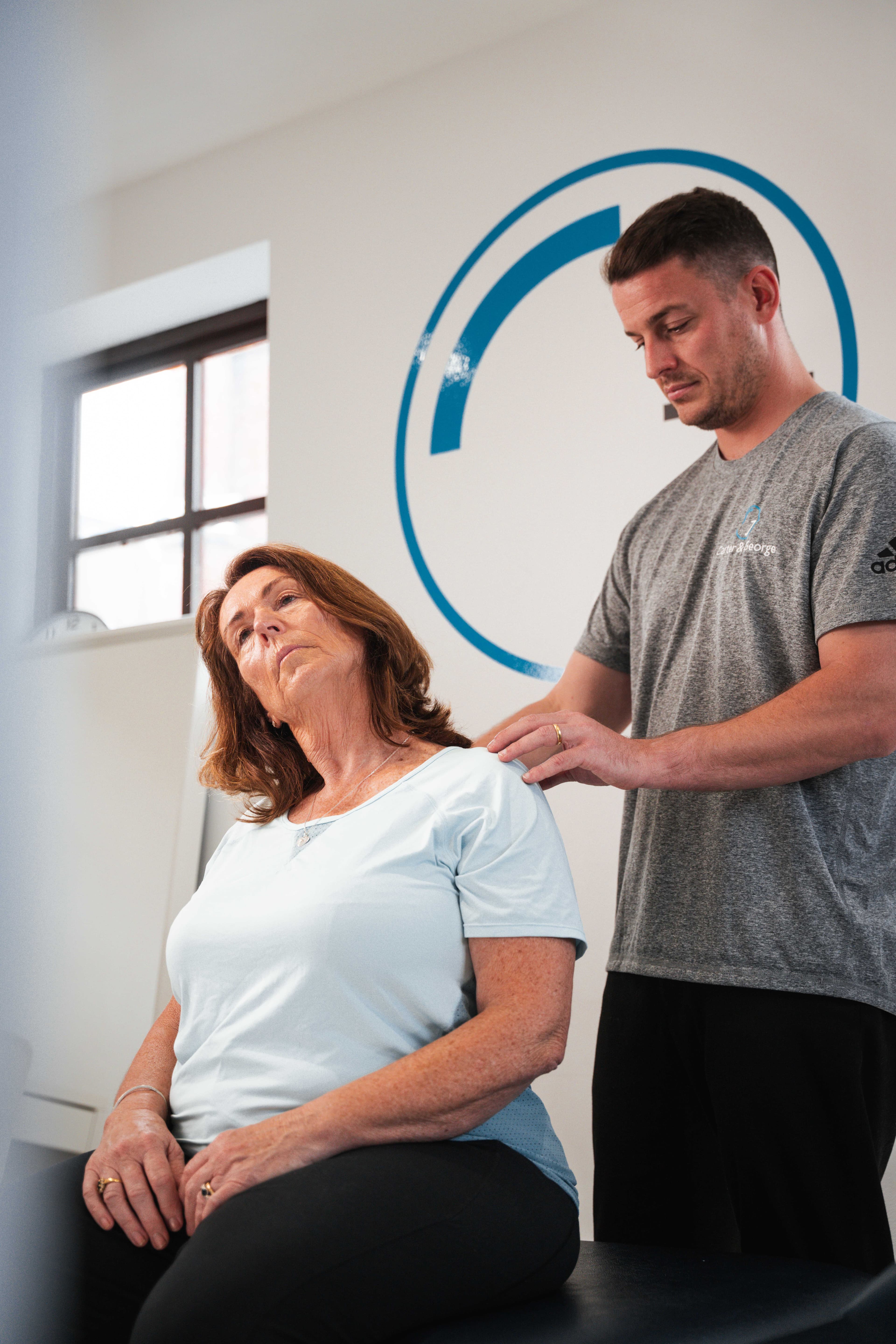
What Causes Sciatica?
Sciatica isn't a condition with one single cause. It happens when part of the sciatic nerve pathway - commonly a nerve root in the lower back - becomes irritated or compressed. Several factors or conditions may be associated with sciatic symptoms:
Disc-Related Changes
Changes to a spinal disc, including a disc bulge or herniation, can sometimes irritate a nearby nerve root.
Changes Around the Spine
Age-related changes in the joints and other structures of the spine can reduce the space available around a nerve.
Spinal Stenosis
Narrowing of the spaces within the spine can place pressure on the nerves and contribute to symptoms.
Injury or Irritation
Symptoms can sometimes begin following an injury or after the lower back has been exposed to an unfamiliar or increased demand.
No Single Clear Cause
It's not always possible – or necessary – to identify one specific structure responsible for someone's symptoms. Your assessment focuses on understanding your individual presentation and how best to help you recover.
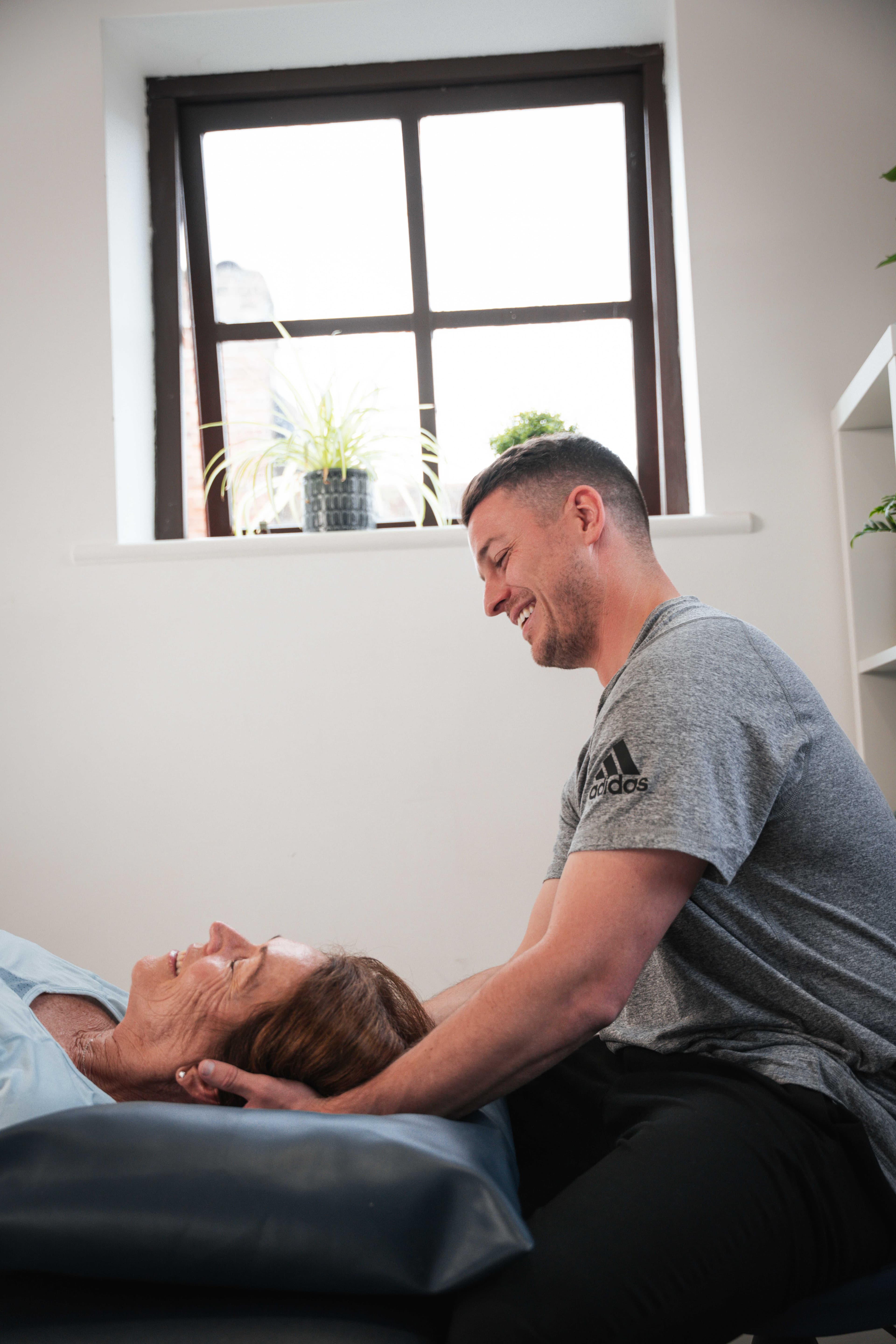
How Can Carter & George Help With Sciatica?
At Carter & George, we understand how worrying nerve pain can feel, particularly when symptoms travel down your leg or start affecting your normal routine.
Your physiotherapist will take the time to understand what's been happening, how your symptoms are affecting you and what you'd like to get back to doing. We'll assess your movement, strength and neurological function where appropriate to build a clearer picture of your symptoms.
From there, we'll create a treatment and rehabilitation plan around you. This may include:
Understanding Your Symptoms
We'll explain our findings in straightforward language, answer your questions and help you understand what may be contributing to your symptoms.
Keeping You Moving
We'll help you find movements and levels of activity you can manage comfortably, rather than simply telling you to rest or avoid everything that hurts.
Building Strength and Confidence
Your rehabilitation may include progressive exercises designed to improve strength, movement and your confidence in using your back and leg again.
Managing Your Symptoms
Depending on your assessment, we may use exercise, movement strategies, hands-on treatment and practical advice to help you manage your symptoms as you recover.
Getting You Back to What You Love
Whether you want to sit comfortably at work, get back in the gym, return to sport or simply walk without worrying about your symptoms, we'll build your rehabilitation around your goals.
Book an assessment with a Carter & George physiotherapist and take the first step towards moving comfortably again.

Frequently Asked Questions
Find answers to some of the most common questions about sciatica, physiotherapy and recovery.