Related Posts
Getting Back Into Exercise Safely
September is a popular time to restart running, gym training and sport, but jumping straight back into your old routine can be a shock to the body. Learn how to build up gradually, manage recovery and create an exercise routine you can sustain.
Cricket Injuries in Harpenden: Why the Off-Season Matters
The end of cricket season is an opportunity to address the aches you have been managing all summer. Learn why symptoms can return after time off and how targeted rehabilitation can help you recover, build physical capacity and prepare for next season.
Why Integrated Care Matters at Carter & George
Pain and injury do not always require the same solution. Discover how an integrated approach can connect physiotherapy, sports medicine, diagnostics and rehabilitation to create a clearer care pathway built around your individual needs.
Pre-Season Injury Prevention: 8 Mistakes That Sideline Active Adults
Pre-Season Injury Prevention: 8 Mistakes That Sideline Active Adults
Ask any physiotherapist what August and September usually bring, and you'll probably get the same answer:
Calf strains, hamstring pulls and sore knees.
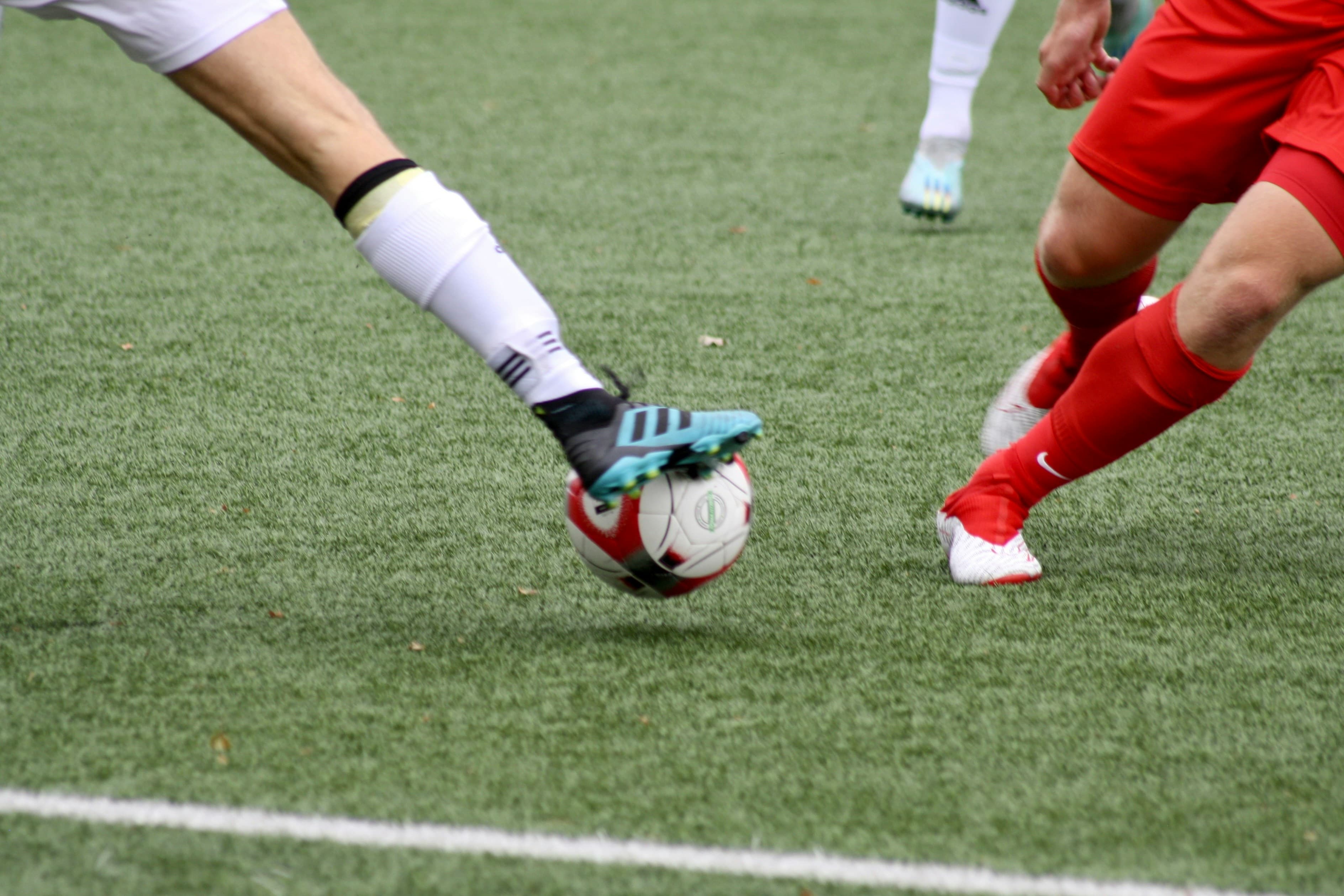
Every year we see local footballers returning for pre-season, rugby players preparing for the new campaign, runners signing up for autumn races and gym-goers setting themselves new fitness goals after the summer.
There's always a real sense of motivation and we love seeing it. Unfortunately, motivation doesn't always match what the body is ready for.
After a few weeks away from structured training, it's easy to underestimate how much your muscles, tendons and joints need time to readjust.
The good news is that many of the injuries we treat at this time of year are preventable.
A sensible approach to pre-season won't just reduce your chances of injury—it'll also help you perform better when the season gets underway.
Why Pre-Season Matters More Than You Think
Pre-season isn't just about getting fitter. It's about preparing your body for everything your sport demands.
Whether you play football, rugby, hockey, netball or simply enjoy regular gym sessions, your body needs to cope with:
Sprinting
Changing direction quickly
Jumping and landing
Repeated acceleration
Physical contact (for some sports)
Training several times each week
Trying to jump straight back into those movements after a quieter summer is often where problems begin. Think of pre-season as laying the foundations for the months ahead. Build them properly now, and you'll thank yourself later.
Mistake 1: Trying to Pick Up Where You Left Off
This is probably the biggest mistake we see. You've had a few weeks off. You feel fresh.
You remember what you were lifting in the gym or how far you were running last season...so you try to start there again.
Unfortunately, your muscles don't work like that. Even if you still feel fit, your body's tolerance to high training loads may have reduced. Instead of trying to match last season's numbers, think about building towards them over several weeks.
Remember, your goal isn't to win the first training session. It's to still be training consistently six weeks from now.
Mistake 2: Skipping the Basics
We've all done it. You're running late, everyone else has already started warming up and it's tempting to jog straight onto the pitch. But a proper warm-up is one of the simplest ways to reduce injury risk.
Aim to include:
Light jogging
Dynamic stretches
Mobility exercises
Short acceleration drills
Sport-specific movements
It doesn't need to be complicated. It just needs to prepare your body for what's coming next.
Mistake 3: Ignoring the Little Niggles
One of the biggest lessons we've learnt from working with active people is this: small problems rarely stay small if you ignore them.
That tight calf you've noticed for two weeks. The shoulder that's a bit uncomfortable after rugby training. The knee that's sore every time you go downstairs.
These are all your body's way of asking for attention. The earlier you deal with them, the easier they usually are to resolve.
Mistake 4: Thinking Fitness Is Enough
Being able to run for 90 minutes doesn't necessarily mean your body is ready for football. Likewise, being strong in the gym doesn't automatically prepare you for rugby.
Sport-specific fitness includes:
Balance
Agility
Coordination
Explosive power
Strength
Mobility
A well-rounded training programme should develop all of these areas—not just cardiovascular fitness.
Mistake 5: Forgetting About Strength Training
Strength training isn't just for professional athletes. It's one of the most effective ways to reduce injury risk. Strong muscles help absorb force, protect your joints and improve movement efficiency.
Particular areas worth focusing on include:
Glutes
Hamstrings
Calves
Core
Quadriceps
You don't need to spend hours in the gym. Even two well-planned strength sessions each week can make a noticeable difference.
Mistake 6: Underestimating Recovery
One thing we often ask patients is: "How are you recovering between sessions?"
The answer is often: "I hadn't really thought about it."
Recovery is where your body adapts to training. Without enough recovery, muscles remain fatigued, performance drops and injury risk increases.
Good recovery includes:
Seven to nine hours of sleep
Staying hydrated
Eating enough protein
Rest days
Gentle mobility work
Training hard is important. Recovering well is just as important.
Mistake 7: Wearing Worn-Out Boots or Trainers
It sounds obvious, but old footwear can contribute to unnecessary aches and pains. If your boots or trainers have lost their support, you may notice:
Heel pain
Shin splints
Knee discomfort
Achilles tendon problems
Before the season starts, it's worth checking that your footwear still provides the support you need.
Mistake 8: Waiting Until You're Injured to Visit a Physio
Many people assume physiotherapy is only for rehabilitation after an injury. Actually, some of the most valuable appointments happen before an injury occurs.
A pre-season assessment can identify:
Weaknesses
Muscle imbalances
Reduced mobility
Previous injury risks
Areas that could benefit from targeted strengthening
Making small changes early can often prevent much bigger problems later.
The Injuries We See Most Often During Pre-Season
Although every injury is different, a few appear almost every year. These include:
Hamstring strains
Calf strains
Groin injuries
Achilles tendon pain
Knee pain
Ankle sprains
Lower back pain
Shoulder injuries in rugby players
Many aren't caused by one dramatic incident. Instead, they develop because the body has gradually been asked to do more than it's ready for.
Where Does Sports Massage Fit In?
Sports massage can be a great addition to your pre-season routine. It's particularly helpful if you're increasing your training load or returning after a quieter period.
Many of our clients tell us they book regular sports massage because it helps them feel looser, recover better and stay consistent with training.
Sports massage may help:
Reduce muscle tightness
Improve flexibility
Encourage circulation
Support recovery between sessions
Reduce feelings of stiffness
While it won't replace strength training or physiotherapy, it can work really well alongside both.
A Good Pre-Season Isn't About Being Exhausted
There's a common belief that if you're not completely shattered after every session, you haven't worked hard enough. We'd disagree.
A successful pre-season isn't about surviving the hardest workout. It's about gradually building a body that's strong, resilient and ready for the season ahead.
Consistency will always beat one brilliant session followed by three weeks on the treatment table.
Carter & George's Top Tip
Don't judge your fitness by how sore you are. Feeling exhausted after every session isn't a badge of honour; it can be a sign that you're increasing your workload too quickly. Aim to finish most training sessions feeling challenged but still capable of doing a little more. That's often where the best long-term progress happens.
Start the Season Feeling Strong, Not Sidelined
Whether you're pulling on your football boots for the first time in months, getting ready for rugby season or simply returning to regular exercise after the summer, your body deserves the chance to build back gradually.
If something doesn't feel quite right, don't wait until you're forced to stop training altogether. Getting advice early can often mean a quicker recovery and less time away from the activities you enjoy.
Our experienced physiotherapy and sports massage team work with people of all ages and abilities; from Sunday League footballers and local rugby players to runners, gym-goers and people who simply want to stay active without pain.
If you'd like to start the season feeling confident, strong and ready for whatever comes next, we'd love to help.
Book your pre-season assessment today and start the season feeling confident, strong and ready to perform.
Book Now