Related Posts
Getting Back Into Exercise Safely
September is a popular time to restart running, gym training and sport, but jumping straight back into your old routine can be a shock to the body. Learn how to build up gradually, manage recovery and create an exercise routine you can sustain.
Cricket Injuries in Harpenden: Why the Off-Season Matters
The end of cricket season is an opportunity to address the aches you have been managing all summer. Learn why symptoms can return after time off and how targeted rehabilitation can help you recover, build physical capacity and prepare for next season.
Why Integrated Care Matters at Carter & George
Pain and injury do not always require the same solution. Discover how an integrated approach can connect physiotherapy, sports medicine, diagnostics and rehabilitation to create a clearer care pathway built around your individual needs.
Get Ski-Ready: Our Guide to Slope Success
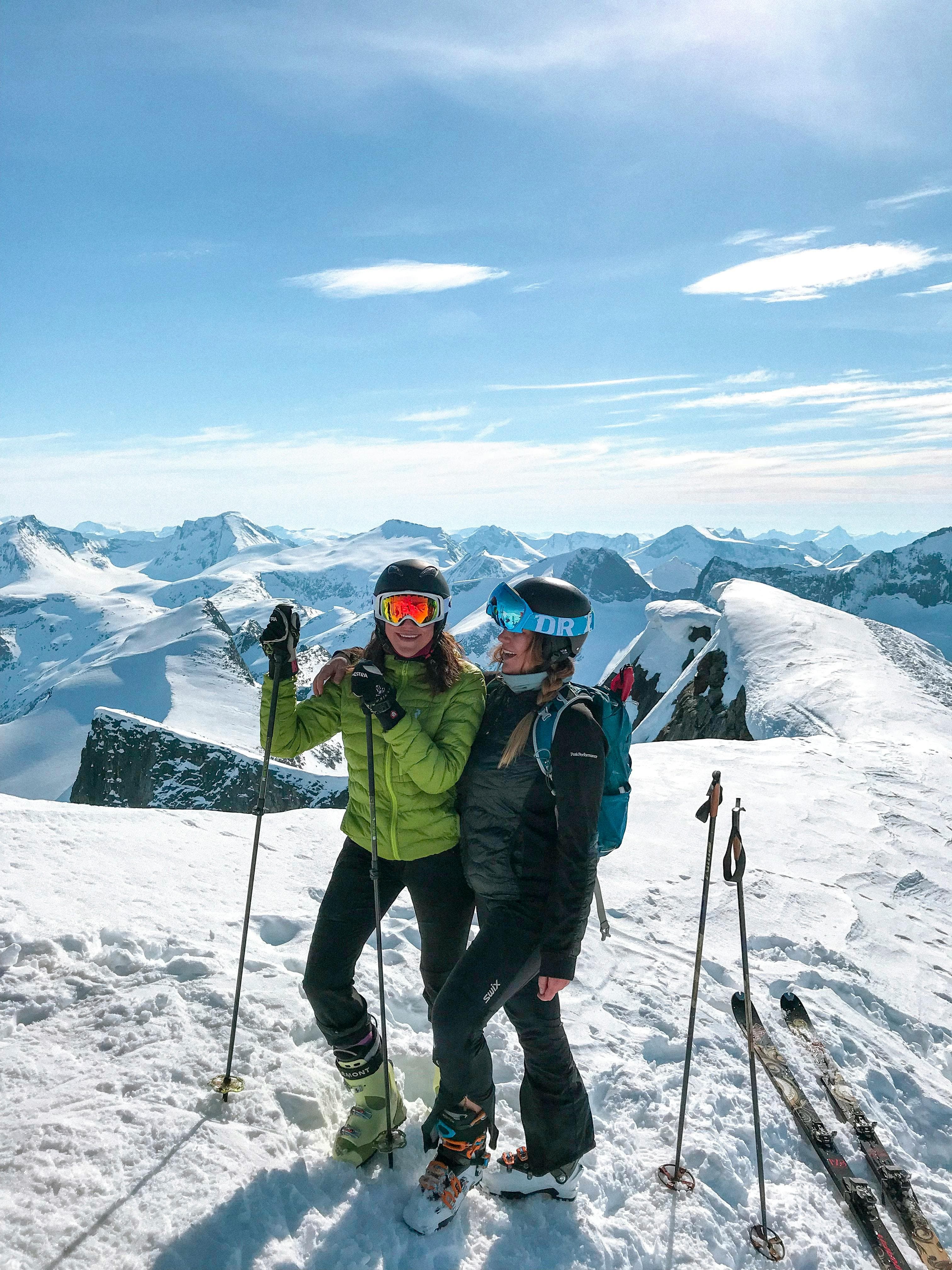
Ski season is here, and it’s time to get your body and gear ready for the slopes. Skiing demands strength, flexibility, and precision, so preparation is crucial to ensure top performance and minimise your risk of injury.
1. Strengthen Your Ski-Specific Muscles
Skiing requires powerful legs, a stable core, and excellent balance. Incorporate exercises into your routine that mimic the demands of skiing, such as:
Squats and lunges to build leg strength.
Side planks and Russian twists to enhance core stability.
Single-leg balance drills to improve coordination and control.
A strong foundation will help you stay agile on uneven terrain and reduce fatigue.
2. Warm Up for Peak Performance
Cold muscles are at higher risk for strains and tears, especially in freezing conditions. Before hitting the slopes, spend 10–15 minutes warming up with dynamic movements like:
Jumping jacks
High knees
Leg swings
A proper warm-up prepares your muscles and joints for the twists, turns, and the impact of skiing.
3. Maximize Comfort and Control with Custom Ski Orthotics
Well-fitted ski boots are vital for comfort and performance. But even the best boots can benefit from custom orthotics, tailored specifically to your biomechanics. At Carter & George we use advanced Footscan gait analysis to assess your foot's movement. Precision pressure mapping identifies areas of stress. We can then use the results for the scan for custom made orthotics.
Custom orthotics are designed to improve alignment, control, and comfort in your ski boots. These orthotics help prevent foot fatigue, enhance power transfer to your skis, and reduce the risk of injury!
We hope these tips help. Enjoy the season and make the most of every run! Please contact us if you want to know more about Footscan and how it may help you.